Do you suspect a root canal system infection? Has your endodontist suggested RCT as a last resort to secure oral health?
Relax, you’re not alone! Over 15 million people receive root canal treatment every year and report no major problems afterward.

Root canal is a procedure at Cherokee Family Dental that removes a tooth’s pulp, which contains nerves, connective tissues, and blood vessels. The treatment is focused on preserving your oral health and supporting tooth growth in your jaw.
Yet, most people suffer in silence or seek home remedies because they aren’t fully aware of root canal treatment.
Keeping this in mind, we have compiled this article where we shall delve into topics like:
Continue reading to understand how root canals work in the following sections.
A root canal is a dental procedure that addresses issues with the inner part of a tooth called the pulp. This treatment becomes necessary when the pulp becomes infected or damaged due to various factors, such as severe cracks, decay, or trauma.
The infection can lead to severe pain and potentially form abscesses if left untreated. Root canals are essential for saving a tooth from extraction, relieving pain, and restoring oral health while preserving the tooth’s function and structure.
The procedure of root canals in Jacksonville, TX, is designed to save severely damaged or infected teeth. Understanding the merits of this treatment can clear your doubts and help you understand its significance in dental care.
Here are the benefits of a root canal you should know:
Have you ever woken up with excruciating pain in your teeth or gums? Root canal therapy can relieve severe tooth pain caused by infection or decay. The treatment removes the infected tissue and addresses the root cause of discomfort, restoring comfort and functionality to the tooth.
Toothache and decay ultimately lead to tooth loss. Unlike tooth extraction, which involves complete removal, root canal therapy aims to preserve the natural tooth structure. This helps maintain dental alignment and prevents adjacent teeth from shifting, ensuring oral health.
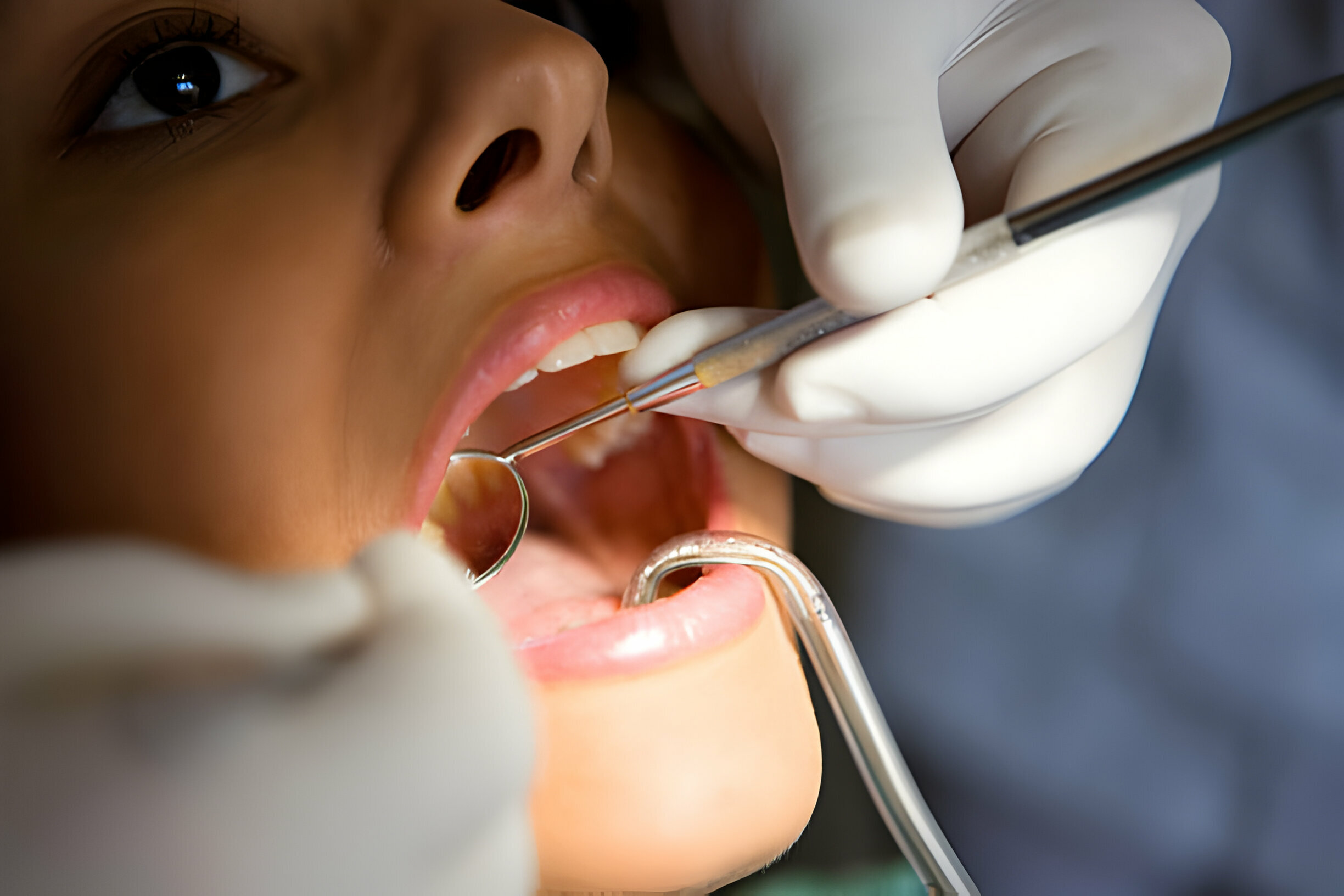
Infected teeth can harbor harmful bacteria, posing risks of further complications and systemic health issues. Root canal treatment eliminates the infection or the spread of bacteria, safeguarding your overall health.
You may face problems while chewing food or experience extreme sensitivity if you have a damaged and decayed tooth. Root canal therapy can help you regain normal function in your teeth. Patients can bite, chew, and speak without discomfort with the infection removed and the tooth sealed.
Root canal therapy can also enhance the appearance of damaged teeth. Placing a crown or filling that matches the natural tooth color and shape restores the tooth’s aesthetics, improving the patient’s smile and confidence.
The journey begins with a comprehensive examination by a skilled Jacksonville, TX, dentist. Your dentist will use advanced diagnostic tools and X-rays to evaluate the extent of the damage or infection within the structure. This assessment helps formulate a tailored treatment plan for the patient.
Individuals with complicated dental conditions and complications may experience slight pain or discomfort during the root canal treatment.
That is why dentists administer local anesthesia to ensure the patient’s comfort throughout the procedure. This numbs the affected area, alleviating any potential discomfort or pain.
Once the anesthesia takes effect, the dentist creates an access opening in the tooth’s crown. This opening grants access to the infected pulp chamber and root canals.
Once they have a clear opening, your root canal dentist will remove the infected or damaged pulp tissue. This step is crucial in eradicating the source of infection and preventing its spread.
After removing the pulp tissue, our dentist thoroughly cleans and shapes the root canals in your mouth. They use specialized instruments to eliminate bacteria, debris, or infected tissue remnants.
After cleaning your root chamber, the dentist will shape the canals and seal the cavity. This cleaning and shaping procedure helps preserve the other teeth in your cavity and improve your smile.
Once the canals are immaculately cleaned and shaped, our dentists fill them with gutta-percha. It is a biocompatible material that seals off the root canals, preventing recontamination and accelerating healing. Filling is usually done to safeguard the tooth against external elements.
Root canal therapy is a standard dental procedure to save severely infected or damaged teeth. However, it entails certain risks you should be aware of before treatment.
Here’s an overview of the different risks associated with the treatment:
Despite the meticulous efforts of the dentists, some bacteria may remain within the intricate network of the tooth’s root canals. This residual infection can lead to persistent discomfort or reinfection of the treated tooth over time.
There could be a tooth fracture if your tooth is already weakened due to extensive decay, trauma, or previous dental work. Removing infected or damaged tissue may further weaken the tooth, increasing the chances of tooth loss.
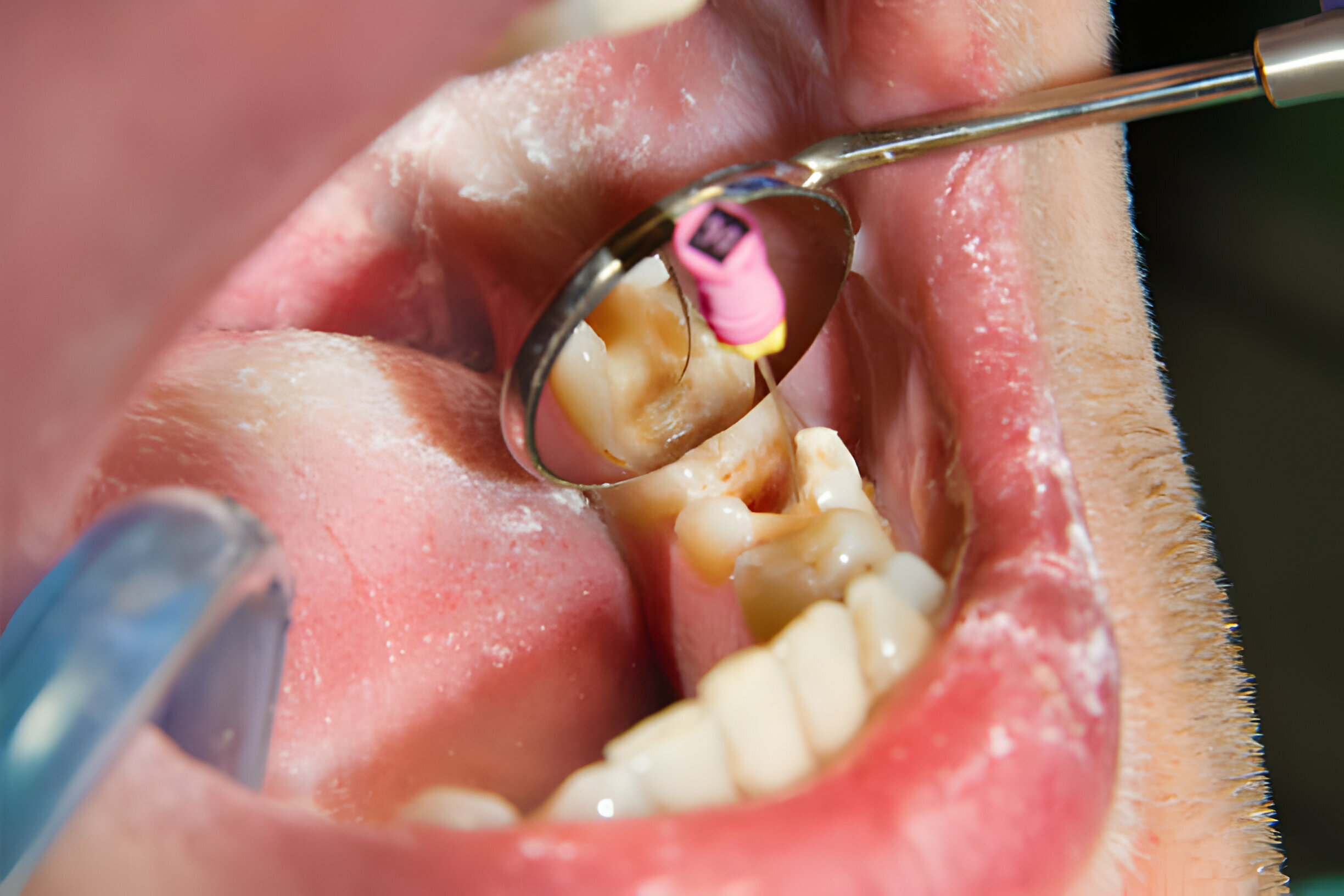
After root canal therapy, you may experience discomfort or sensitivity in the treated tooth and surrounding tissues. This discomfort typically resolves within a few days to weeks as the tissues heal. If it persists, consider visiting our dentists to address your issue.
Adjacent structures, such as nerves, blood vessels, or neighboring teeth, may be damaged during the root canal process. Our dentist can minimize this risk by using advanced imaging techniques and skilled procedures.